
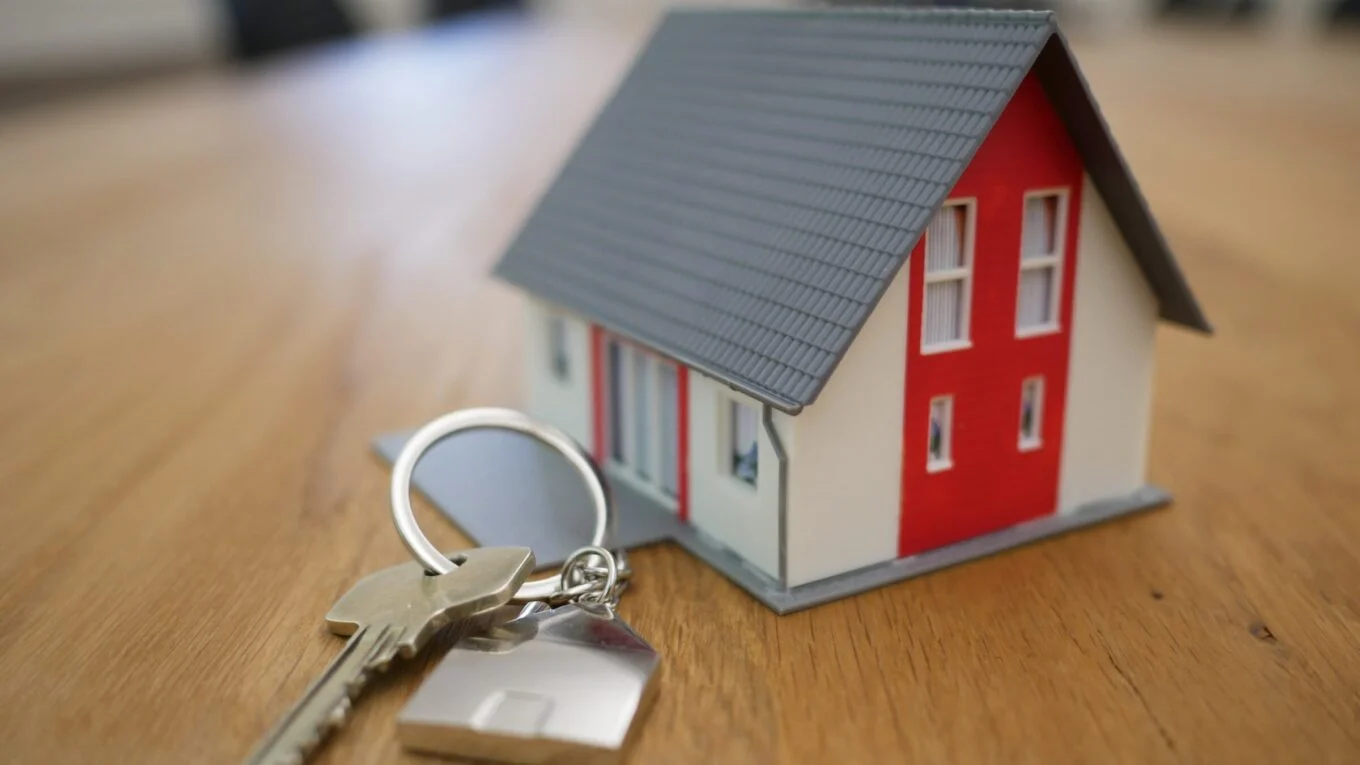
Ramai orang berasa teruja untuk membeli rumah pertama mereka, terutamanya apabila ia merupakan rumah impian mereka. Rumah merupakan salah satu perbelanjaan terbesar dalam kehidupan dewasa, dan membelinya melibatkan membuat keputusan kewangan yang penting.
Kebanyakan orang memerlukan pinjaman rumah untuk membiayai pembelian hartanah. Oleh itu, memahami proses permohonan pinjaman rumah dapat membantu menjimatkan masa, mengurangkan ketidakpastian, dan mengelakkan tekanan yang tidak perlu.
Kelebihan Membeli dan Menyewa Rumah
Memiliki hartanah boleh memberi anda rasa bangga kerana ia mencerminkan pencapaian matlamat dan cita-cita peribadi anda. Mempunyai tempat tinggal yang selesa untuk keluarga anda juga memberikan rasa selamat dan stabil yang lebih tinggi.
Apabila anda membeli rumah dan membuat pembayaran gadai janji, anda secara beransur-ansur membina ekuiti dalam hartanah tersebut. Setiap pembayaran mengurangkan baki pinjaman sambil meningkatkan nilai pemilikan anda di rumah tersebut. Sebaik sahaja sebahagian besar pinjaman dibayar balik, pembiayaan semula mungkin menjadi pilihan, bergantung pada keperluan kewangan anda dan jumlah ekuiti yang tersedia.
Kadar sewa mungkin meningkat dari semasa ke semasa, sementara pemilik rumah terus mengurangkan prinsipal pinjaman mereka melalui pembayaran bulanan. Di samping itu, nilai hartanah mungkin meningkat apabila pasaran hartanah berkembang, terutamanya jika rumah itu terletak di kawasan strategik.
Walau bagaimanapun, membeli rumah juga datang dengan beberapa komitmen:
- Pemilik rumah bertanggungjawab untuk penyelenggaraan, pembaikan dan pengubahsuaian.
- Pembaikan dan penaiktarafan yang kerap boleh menjadi mahal dari semasa ke semasa, manakala penyewa biasanya tidak bertanggungjawab untuk perbelanjaan ini.
- Memiliki rumah mungkin mengehadkan fleksibiliti kerana berpindah ke lokasi lain tidak semudah penyewa.
- Jika kawasan kejiranan menjadi tidak sesuai, pemilik rumah mungkin perlu menunggu sehingga nilai hartanah meningkat sebelum menjual dan berpindah.
- Harga hartanah juga boleh menurun disebabkan oleh faktor luaran seperti kesesakan lalu lintas, pembangunan berdekatan atau kawasan yang mudah dilanda banjir.
Situasi Di Mana Menyewa Mungkin Lebih Sesuai
Menyewa rumah mungkin merupakan pilihan yang lebih baik dalam situasi berikut:
- Apabila anda tidak layak untuk pinjaman perumahan atau tidak mampu membayar wang pendahuluan.
- Apabila anda menjangkakan pasaran hartanah akan merosot.
- Apabila anda masih meneroka lokasi yang paling sesuai sebelum membuat komitmen jangka panjang.
- Apabila anda lebih suka mengelakkan tanggungjawab penyelenggaraan dan pembaikan.
Faktor-faktor yang Perlu Dipertimbangkan Semasa Membeli Rumah sebagai Pelaburan
Pelaburan hartanah sering dilihat sebagai strategi membina kekayaan yang kukuh, terutamanya jika rumah itu bertujuan untuk menjana pendapatan sewa.
Sebelum membeli hartanah sebagai pelaburan, adalah penting untuk mempertimbangkan beberapa soalan:
- Apakah jenis harta yang paling berkemungkinan meningkat nilainya dari semasa ke semasa?
- Berapa banyak pendapatan sewa yang boleh dijana oleh harta itu?
- Adakah saya bersedia dari segi kewangan untuk mengurus dan menyelenggara harta itu walaupun dalam tempoh tanpa penyewa atau aliran tunai yang tidak stabil?
- Memandangkan harta benda dianggap sebagai aset bukan cair, adakah ia akan menimbulkan masalah kewangan jika saya memerlukan wang tunai segera pada masa hadapan?
Faktor Penting yang Perlu Dipertimbangkan Sebelum Membeli Rumah
Sebelum membeli rumah, terdapat dua aspek utama yang perlu dinilai dengan teliti: faktor kewangan dan faktor bukan kewangan.
| Lokasi Hartanah |
Salah satu keputusan pertama yang perlu anda buat ialah di mana anda ingin tinggal dan jenis kawasan kejiranan yang paling sesuai dengan gaya hidup anda. Beberapa elemen boleh mempengaruhi pilihan lokasi anda, termasuk:
|
| Jenis Hartanah: Bertanah atau Bertingkat Tinggi |
Hartanah bertanah biasanya mempunyai harga yang lebih tinggi, terutamanya yang terletak berhampiran kawasan bandar. Sebaliknya, kediaman bertingkat tinggi seperti kondominium dan pangsapuri selalunya lebih berpatutan.
Dalam kebanyakan kes, hartanah bertanah meningkat nilainya lebih cepat daripada unit bangunan tinggi kerana ketersediaan tanah yang terhad dan permintaan jangka panjang yang lebih tinggi. |
| Pemilikan Pegangan Bebas atau Pajakan |
Hartanah pegangan bebas memberikan pemilik hak pemilikan kekal ke atas hartanah tersebut. Sebaliknya, hartanah pegangan pajak hanya dimiliki untuk tempoh pajakan tetap, yang biasanya 99 tahun.
Sebaik sahaja pajakan tamat tempoh, pemilikan tanah kembali kepada pihak berkuasa melainkan pajakan diperbaharui melalui pembayaran premium tambahan. Oleh kerana itu, hartanah pegangan bebas biasanya mempunyai nilai pasaran yang lebih tinggi, manakala hartanah pegangan pajak mungkin berkurangan nilainya apabila tempoh pajakan menghampiri tamat tempoh. |
| Jenis Hak Milik Hartanah: Hak Milik Individu atau Strata |
Hak milik hartanah berfungsi sebagai bukti pemilikan.
Sebelum membuat pembelian, pembeli harus menyemak sama ada hartanah tersebut mempunyai sebarang sekatan atau batasan yang boleh menjejaskan pemindahan pemilikan atau penjualan semula pada masa hadapan. Adalah dinasihatkan untuk berunding dengan ejen hartanah, peguam atau profesional hartanah berpengalaman sebelum membayar sebarang deposit. |
| Reputasi Pembangun |
Ramai pemaju menggunakan pendekatan “jual dahulu, bina kemudian”. Jika anda membeli hartanah yang masih dalam pembinaan, anda mungkin perlu memulakan pembayaran balik sebelum rumah tersebut siap.
Atas sebab ini, adalah penting untuk mengkaji latar belakang dan rekod prestasi pemaju dengan teliti. Pembeli harus menyemak projek terdahulu untuk menentukan sama ada pemaju telah menunaikan janji secara konsisten. Aspek penting yang perlu diteliti termasuk:
Jika projek perumahan terbengkalai, pembeli masih diwajibkan untuk terus membayar balik pinjaman perumahan mereka walaupun hartanah tersebut tidak pernah diserahkan. Akibatnya, pemaju yang mempunyai reputasi yang kukuh dan rekod prestasi yang terbukti sering mengenakan harga yang lebih tinggi untuk projek mereka disebabkan oleh keyakinan pembeli yang lebih tinggi. |