
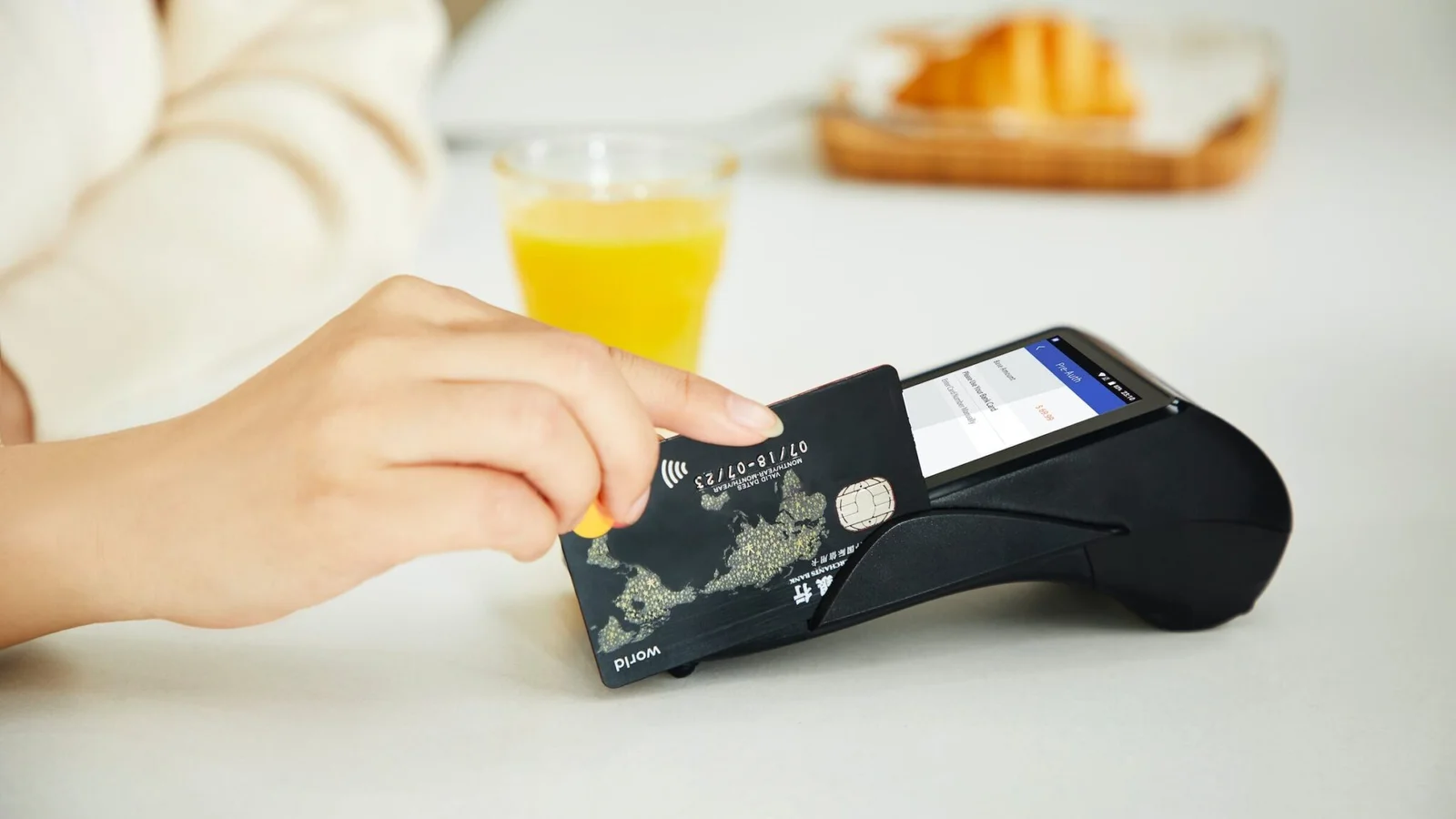
Definisi Kad Kredit
Kad kredit merupakan kemudahan pembayaran moden yang membolehkan pengguna membuat pembelian atau membayar perkhidmatan tanpa perlu membawa wang tunai. Kad kredit digunakan secara meluas kerana ia lebih mudah, pantas dan selamat untuk transaksi harian.
Cara Menggunakan Kad Kredit
Setiap kad kredit mempunyai had penggunaan tertentu yang ditetapkan oleh bank atau penerbit kad. Apabila pengguna membuat pembayaran menggunakan kad kredit, bank akan membayar kepada peniaga terlebih dahulu. Pengguna kemudiannya perlu membayar balik jumlah tersebut berdasarkan penyata bulanan yang diterima.
Kelebihan Kad Kredit
Jika digunakan dengan bijak, kad kredit boleh memberikan pelbagai manfaat kepada pengguna seperti:
- Memudahkan transaksi pembayaran tanpa tunai.
- Membolehkan pembelian dibuat dalam talian dengan lebih mudah.
- Membantu pengguna merekod dan mengawal perbelanjaan melalui penyata bulanan.
- Menawarkan perlindungan tambahan seperti insurans perjalanan dan kemalangan untuk kad tertentu.
- Menyediakan kemudahan pembayaran ansuran dan pelan kewangan yang fleksibel.
- Menyediakan ganjaran seperti mata bonus, diskaun atau pulangan tunai untuk setiap penggunaan kad.
Perkara Penting Mengenai Penggunaan Kad Kredit
Sebelum menggunakan kad kredit, pengguna perlu memahami beberapa terma dan syarat yang ditetapkan oleh bank bagi mengelakkan masalah kewangan pada masa hadapan.
Had Penggunaan Kad Kredit
Had kredit ialah jumlah maksimum yang boleh digunakan oleh pemegang kad untuk membuat pembelian atau pembayaran. Jika jumlah penggunaan mencapai had yang ditetapkan, kad tersebut tidak lagi boleh digunakan sehingga sebahagian daripada pembayaran dibayar.
Biasanya, had kad kredit adalah sekitar dua hingga tiga kali ganda pendapatan bulanan pemegang kad. Oleh itu, menggunakan keseluruhan had kredit bermakna anda membelanjakan pendapatan yang sepatutnya digunakan untuk bulan-bulan akan datang.
Jenis Caj dan Pembayaran Kad Kredit
Sebelum mendapatkan kad kredit, pengguna perlu mengetahui beberapa jenis yuran dan caj yang mungkin dikenakan oleh bank atau penerbit kad kredit.
| Yuran Permohonan | Sesetengah penerbit kad kredit mengenakan yuran pendaftaran sekali sahaja apabila kad dikeluarkan. Amaun yuran ini berbeza-beza bergantung pada jenis dan penerbit kad. |
| Yuran Tahunan | Yuran tahunan ialah caj yang dikenakan setiap tahun untuk penggunaan kad kredit. Walau bagaimanapun, terdapat bank yang menawarkan pengecualian yuran jika pengguna memenuhi syarat-syarat tertentu seperti jumlah penggunaan tahunan minimum. |
| Caj Faedah |
Caj ini dikenakan ke atas baki tertunggak yang tidak dibayar selepas tarikh akhir pembayaran. Kadar faedah biasanya berdasarkan rekod pembayaran pengguna. Lebih baik rekod pembayaran balik, lebih rendah kadar faedah yang dikenakan.
Contoh kadar faedah semasa:
|
| Caj Pendahuluan Tunai | Caj ini dikenakan apabila pengguna mengeluarkan wang tunai menggunakan kad kredit. Biasanya, caj tersebut adalah antara 3% hingga 5% daripada jumlah pengeluaran dan faedah akan mula dikira sebaik sahaja wang dikeluarkan. |
| Caj Bayaran Lewat | Jika pengguna gagal membuat bayaran minimum sebelum tarikh akhir, caj pembayaran lewat akan dikenakan. Di samping itu, faedah ke atas baki tertunggak akan terus terkumpul sehingga pembayaran dibuat. |
| Cukai Perkhidmatan | Setiap kad kredit tertakluk kepada caj perkhidmatan tahunan. Biasanya, pemegang kad utama dikenakan bayaran RM50 setahun manakala pemegang kad tambahan dikenakan bayaran RM25 setahun. Caj ini akan dimasukkan ke dalam penyata kad kredit pengguna. |
Tempoh Bebas Faedah
Pemegang kad kredit boleh menikmati tempoh bebas faedah, biasanya antara 20 dan 50 hari dari tarikh transaksi direkodkan, dengan syarat tiada baki tertunggak dari bulan sebelumnya.
Walau bagaimanapun, jika pengguna hanya membuat pembayaran minimum atau tidak menyelesaikan keseluruhan bil sebelum tarikh akhir pembayaran, faedah akan dikenakan ke atas semua transaksi bermula dari tarikh pembelian dibuat. Faedah juga akan terus terkumpul sehingga baki diselesaikan sepenuhnya.
Kemudahan Pemindahan Baki
Pemindahan baki membolehkan pengguna memindahkan hutang kad kredit dari satu bank ke bank lain. Kebanyakan bank menawarkan kadar faedah promosi yang lebih rendah untuk menarik pelanggan menggunakan kemudahan ini. Kaedah ini dapat membantu pengguna mengurangkan beban faedah mereka dan menguruskan hutang mereka dengan lebih baik.
Pelan Ansuran dan Pembayaran Fleksibel
Sesetengah bank dan peniaga menawarkan skim pembayaran ansuran tanpa faedah untuk tempoh tertentu, biasanya antara 3 dan 24 bulan. Kemudahan ini membolehkan pengguna membuat pembayaran secara berperingkat mengikut kemampuan mereka.
Tanggungjawab Pemegang Kad Tambahan
Pemegang kad utama bertanggungjawab ke atas semua transaksi yang dibuat menggunakan kad tambahan. Dalam kebanyakan kes, pemegang kad tambahan juga mungkin bertanggungjawab bersama atas hutang kad kredit.
Cara Mengurus Penggunaan Kad Kredit dengan Bijak
Membayar hanya jumlah minimum setiap bulan boleh menyebabkan hutang mengambil masa yang lama untuk diselesaikan kerana faedah akan terus terkumpul. Oleh itu, pengguna digalakkan untuk membayar baki penuh atau lebih daripada bayaran minimum bagi mengelakkan beban hutang yang tinggi.
Langkah-langkah untuk Mengelakkan Penipuan Kad Kredit
Penipuan kad kredit seperti kecurian identiti dan transaksi tanpa kebenaran semakin menjadi-jadi. Oleh itu, pengguna harus sentiasa berhati-hati semasa menggunakan kad kredit, termasuk melindungi maklumat kad, memantau transaksi dan segera melaporkan aktiviti yang mencurigakan kepada bank.